
Why Does Every Business Need a Uniform Strategy?
Make an Enquiry
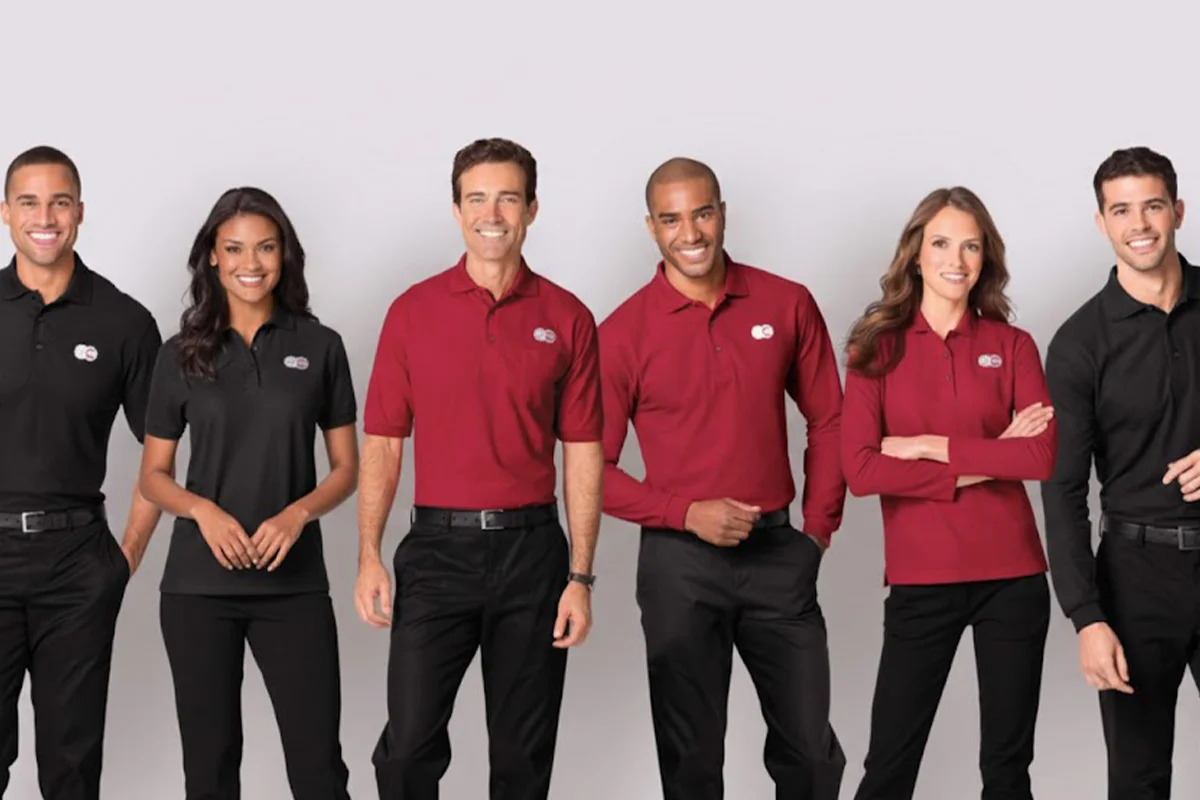
Employee apparel management plays a vital role in how businesses present themselves, maintain operational standards, and support their workforce. A well-planned uniform strategy for businesses helps organizations establish consistency across departments while addressing safety, functionality, and brand identity. When supported by effective uniform design and sourcing, companies can ensure that employee attire meets both practical needs and professional expectations without creating unnecessary complexity.
As organizations grow, managing employee clothing informally becomes inefficient. A structured approach helps reduce confusion, improve compliance, and reinforce a consistent image across all customer touchpoints.
Table of Contents
ToggleUnderstanding the Purpose of a Uniform Strategy
A workwear strategy is not just about appearance—it is a structured system for managing how employees dress at work. This system considers job roles, work environments, safety requirements, and brand standards. Without a defined plan, businesses often face inconsistencies that affect professionalism and employee confidence.
A clear strategy ensures that workplace attire:
- Aligns with company values
- Supports daily job functions
- Meets regulatory and safety expectations
- Remains consistent across teams and locations
This approach helps businesses move from reactive decision-making to a scalable and well-organized apparel system.
How a Workwear Strategy Supports Brand Identity
Employees are often the first point of interaction between a business and its customers. Consistent professional attire helps create a strong and memorable brand image. When staff members look coordinated, customers associate the business with reliability and credibility.
A defined strategy ensures:
- Consistent colors and visual identity
- A professional appearance across departments
- Clear differentiation between staff roles
Over time, this consistency strengthens brand recognition and builds trust, especially in customer-facing industries such as hospitality, retail, healthcare, and corporate services.
Improving Workplace Safety and Compliance
In many industries, employee attire plays a direct role in workplace safety. Manufacturing, healthcare, construction, and logistics environments often require protective clothing that meets specific safety standards.
A structured strategy helps businesses:
- Identify role-based clothing requirements
- Ensure materials meet safety guidelines
- Reduce risks associated with improper attire
At this stage, companies often evaluate suppliers that specialize in compliant workwear solutions. Partnering with experienced uniform suppliers ensures consistency in quality, safety, and availability across the organization.
Enhancing Employee Comfort and Productivity
Comfort directly affects employee performance. Ill-fitting or impractical clothing can cause discomfort, distraction, and reduced efficiency. A thoughtful strategy considers fabric selection, climate conditions, and job-specific movement requirements.
Benefits include:
- Improved employee focus and mobility
- Reduced fatigue during long shifts
- Higher job satisfaction and morale
When employees feel comfortable and supported, productivity naturally improves, leading to better overall business performance.
Promoting Equality and Professional Consistency
A standardized approach to workplace attire helps eliminate disparities caused by personal clothing choices. This promotes a sense of fairness and unity among employees while maintaining a professional environment.
An inclusive strategy also accounts for:
- Cultural and religious considerations
- Gender-neutral options
- Size inclusivity
By addressing these factors, businesses foster a respectful and inclusive workplace culture without compromising professional standards.
Cost Control and Operational Efficiency
Without a clear apparel strategy, businesses often overspend on replacements, rush orders, and inconsistent purchasing. A structured plan allows for better budgeting and inventory control.
Operational advantages include:
- Centralized procurement
- Reduced replacement frequency
- Easier onboarding for new employees
Over time, investing in durable and standardized work attire results in measurable cost savings and smoother operations.
Implementing a Successful Uniform Strategy
To implement an effective strategy, businesses should follow a structured approach:
- Assess Workplace Needs
Identify job roles, working conditions, and customer interaction levels. - Define Clear Policies
Document guidelines for usage, maintenance, and replacement schedules. - Select Reliable Partners
Work with suppliers that understand compliance, durability, and brand alignment. - Gather Employee Feedback
Involve employees in the process to improve comfort and adoption. - Review and Update Regularly
Adjust the strategy as branding, regulations, or operational needs evolve.
This structured implementation ensures long-term success rather than short-term fixes.
Long-Term Business Benefits
Businesses that adopt a structured apparel strategy experience:
- Stronger brand consistency
- Improved employee confidence
- Reduced compliance risks
- Streamlined operations
These benefits compound over time, making the strategy a valuable investment rather than an operational expense.
Conclusion
A well-planned uniform strategy is essential for businesses that want to maintain professionalism, support employees, and scale efficiently. Through effective employee apparel management and thoughtful planning, organizations can create consistency while meeting safety and operational needs.
By adopting a workwear policy that aligns with brand identity and workplace requirements, businesses build a foundation for long-term efficiency, employee satisfaction, and professional credibility.

