
How to Choose Protective Workwear for Chemical Industry Workers
Make an Enquiry
Chemical manufacturing and processing environments expose workers to a wide range of hazards that can affect their health, safety and productivity. From corrosive liquids to airborne contaminants, chemical industry workers require reliable protective workwear to perform their duties safely and efficiently. The choice of the appropriate Protective Workwear for Chemical Industry Workers is an important aspect of any workplace safety plan and can prevent any injuries and long-term health problems.
Modern Chemical Industry Safety Workwear Solutions are designed to provide protection against specific workplace hazards while maintaining comfort and mobility. Professional protective garments like Futuremind Uniforms recognize the need to integrate safety, durability and compliance in their products. It is through the knowledge of workplace risks and assessment of important selection criteria that organizations can make informed decisions that can help in employee well-being as well as in regulatory specifications.
Table of Contents
ToggleUnderstanding Chemical Workplace Hazards
Common Chemical Exposure Risks
Several hazards are found in chemical workplaces, which may need special protection:
- Severe injuries to the skin and the eyes can be caused by liquid chemical splashes.
- Dangerous dust and particles can cause irritation of respiratory system.
- Toxic vapors and gases can affect breathing and overall health.
- Acidic materials can destroy skin, garment and equipment.
- The levels of exposure change in accordance with work and work environments.
Consequences of Inadequate Protection
Insufficient protective measures can lead to serious workplace issues:
- Direct chemical contact burns the skin and irritates it.
- Breathing difficulties due to breathing in poisonous substances.
- Health hazards in the long-term, caused by repeated exposure.
- Accidents at work that impact on productivity and morale of the employees.
- Violations of compliance that are potentially punishable by law.
Key Factors to Consider When Choosing Protective Workwear
Type of Chemical Exposure
Selecting the right protective workwear begins with identifying workplace hazards and exposure risks:
- Determine chemicals that are in use.
- Determine the exposure frequency and levels of exposure.
- Correspond levels of match protection to particular risks at the workplace.
- Check Safety Data sheets (SDS) to get hazard information.
- Assess emergency response needs and emergency exposure conditions.
Material and Fabric Selection
Fabric performance is vital in the effectiveness of protection clothes. Resistant to chemicals, are designed in such a way that they do not allow hazardous substances to penetrate them. Multi-layered protective clothing can be more protective against a variety of chemicals. When choosing materials to use in industries, organizations must also take into account durability, wear-resistance, and long service life.
Comfort and Worker Mobility
Protective clothes must not limit movements or productivity. Breathables assist in the regulation of body temperature in strenuous activities. The bending and lifting as well as other daily tasks are supported by flexible designs. Sensible clothing also minimizes worker exhaustion, promotes adherence and boosts uniformity during the working hours.
Proper Fit and Sizing
Effective protection must be properly sized. Loose clothes can get hooked up in machinery or can provide access points whereas tight clothes can inhibit movement and be uncomfortable. Employers ought to perform proper fitting tests and offer size choices, which can fit the various body types and work needs.
Types of Protective Workwear Used in Chemical Industries
Chemical Resistant Coveralls
Coveralls are chemical resistant which makes them offer complete protection to the body against dangerous substances. The garments are widely applied in factories, factories, and chemical working conditions. Their closed structure allows reducing exposure risks and providing sufficient coverage to workers who engage in high-risk operations.
Protective Jackets and Trousers
When flexibility and mobility is of utmost importance, separate jackets and trousers are usually chosen. They enable employees to control the layers depending on the conditions and temperatures in the workplace. This method has the capability of enhancing comfort and yet ensuring competent protection against chemical exposure in moderate-risk settings.
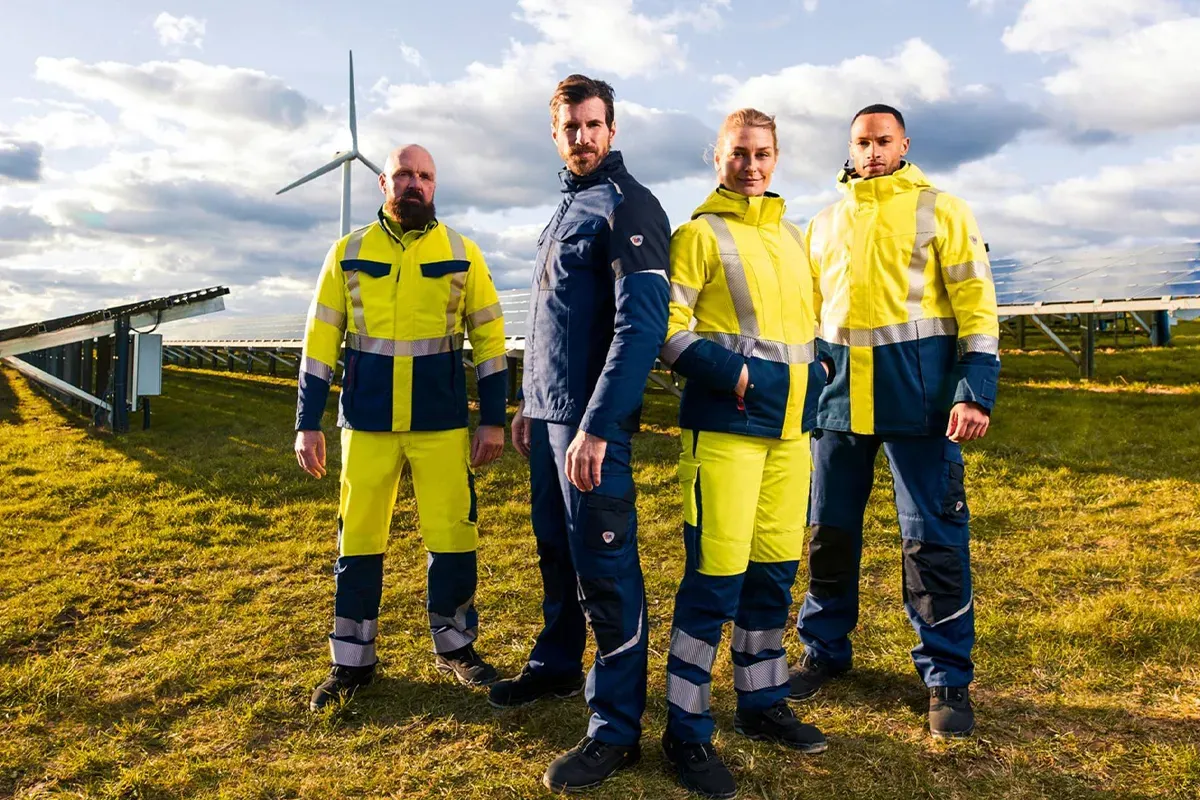
High-Visibility Chemical Safety Clothing
High visibility safety clothing is a combination of chemical protective equipment and increased visibility of the worker. Such clothes will be particularly significant in large factory plants where equipment, traffic and low light levels of light pose higher risks of accidents. Visibility features and chemical resistance may be necessary to conform to workplace safety rules.
Disposable vs Reusable Protective Clothing
Disposable protective clothing is convenient and prevents the transfer of contamination among working environments. Being reusable, the garments can offer increased durability and long-term cost-effectiveness in case they are taken care of. The choice of the most appropriate one depends on the level of exposure, the needs of the operation, and the desire to attain safety in the workplace.
Essential PPE That Complements Protective Workwear
Chemical Resistant Gloves
Chemical resistant gloves are important in offering excellent hand protection when engaging in chemical handling operations. Various materials have different amount of resistance with respect to the substances used. The best types of gloves to use should be determined by the employers depending on the chemical compatibility charts and workplace hazard assessment to provide the best protection.
Safety Goggles and Face Shields
Eyes and face protection is needed when in places where there are splashes, sprays or even airborne particles. Safety goggles form a protective barrier around the eyes, with the face shield offering extra protection to the face and neck areas in cases of high-risk procedures.
Respiratory Protection Equipment
Respirators and masks are used to guard the workers against dangerous vapors, gases, dust and air pollution. Proper respiratory protection is determined by the levels of exposure, chemical properties and work situations. Proper fit testing and training are necessary for effective performance.
Safety Footwear
The safety boots are chemically resistant which protects workers against spills, splashes and accidental contact with hazardous substances. Slip-resistant soles enhance the stability of wet or dirty floors, and reinforced sole offers further protection against occupational accidents.
Safety Standards and Certifications to Check
International Protective Clothing Standards
In choosing protective clothing employers must ensure that they are in line with accepted standards:
- EN 14605 – Protection against liquid chemical sprays and splashes.
- EN 13034 – Restricted protection against liquid chemicals.
- EN ISO 13688 – General requirements of protective clothing such as comfort, ergonomics and durability.
These certifications aid in ensuring that the products satisfy set safety and performance standards.
Industry Compliance Requirements
Companies have to comply with the rules of workplace safety to safeguard workers:
- Adhere to local and international occupational safety legislation.
- Carry out frequent risk evaluation at workplace.
- Know how to protect all workers.
- Educate the employees on how to use and maintain it.
- Keep records which show compliance activities.
Common Mistakes to Avoid When Selecting Chemical Workwear
Choosing Workwear Based on Price Alone
The emphasis on solely the cost might lead to insufficient protection and increased long-term costs. Less expensive models might not be long-lasting, perform well or certified to operate in a chemical setting. The main consideration should be safety and effectiveness.
Ignoring Chemical Compatibility
Not every material used as protection is resistant to all the chemicals. Wearing clothes without reading the information on chemical compatibility may put the workers at risks that are not required. In making purchasing decisions, employers should always ensure that they check material performance with the workplace substances.
Overlooking Employee Comfort
The most protective clothes can be useless when the workers will not be comfortable with them. Discomfort may deter correct use and be more exhausting. Companies ought to strike a balance between safety and wearability in order to promote the uniformity of compliance and efficiency.
Failing to Inspect and Replace Damaged Clothing
Protective clothing becomes ineffective when torn, dirty or worn out. Conducted on a regular basis, inspections will help to detect problems before they undermine worker safety. Creation of replacement procedures means that protection is not lost during the lifecycle of the garment.
Maintenance and Care of Protective Workwear
Inspection Procedures
Protective performance needs to be inspected on a regular basis. Employees ought to check clothes regarding holes, pricks, frayed seams, and traces of pollution prior to wearing. Repair or replacement should be done immediately to any damage that may impair protection.
Cleaning and Storage Guidelines
Protective clothing has special cleaning and storing instructions which are provided by manufacturers. Adherence to these guidelines aids in maintaining the integrity of materials and safeguarding qualities. Washed clothes are to be kept in dry and special places without any contaminants or direct sunlight.
Replacement Schedules
Protective clothing is to be discarded when it is worn, contaminated or has become ineffective. The replacement schedules must take into account the exposure frequency, manufacturer instructions, and the conditions at the workplace so as to have a uniform coverage of all the employees.
Benefits of Investing in High-Quality Protective Workwear
Improved Worker Safety
Good Protective Workwear for Chemical Industry Workers is one that offers quality protection against hazards at work. Improved protection will minimize the risks of injuries and contribute to a safer workplace in chemical work.
Enhanced Regulatory Compliance
Occupational safety protection certified protective clothing assists organizations to fulfill their duties on occupational safety and show their concern on worker safety. Efforts in compliance also minimize the chance of punishment and regulatory difficulties.
Reduced Workplace Incidents
Proper protective garments also lead to reduction of accidents and injuries and exposure cases. This results in reduced disruptions in operations and enhanced performance in the workplace.
Better Employee Confidence and Productivity
Employees who have a sense of protection tend to concentrate on their duties without having to attend to safety issues that are not relevant. Greater confidence frequently results in a higher productivity, morale and engagement at the work place.
FAQs
The best ones are usually chemical-resistant coveralls, jackets, trousers and certified protective clothing that is specific to hazards in the workplace.
Protective clothes must be changed whenever they are torn, dirty or when they wear out to the prescribed service life by the manufacturers.
PVC, neoprene, Tychem and specialized multi-layered fabrics are materials that are typically very chemically resistant based on the chemical.
The most suitable option is based on occupational needs, hazards of contamination, cost implications and protection that is required.
Certification confirms that protective clothing is within accepted safety standards and offers experimented performance of workplace hazards.
Conclusion
The appropriate Protective Workwear for Chemical Industry Workers must be chosen based on the workplace risks, exposure, materials performance, comfort, fit and certification requirements. Companies that emphasize such aspects can contribute to the safety of employees and to the effectiveness of operations and compliance with regulations to a large extent.
Certified protective clothing is an investment in business success and long-lasting commitment to workplace safety. With protection, comfort, durability and compliance needs balanced, companies can be able to design safer environments that minimize risks and ensure the well-being of workers in the long-term.

