
How Is Branding Reflected in Employee Clothing in Dubai?
Make an Enquiry
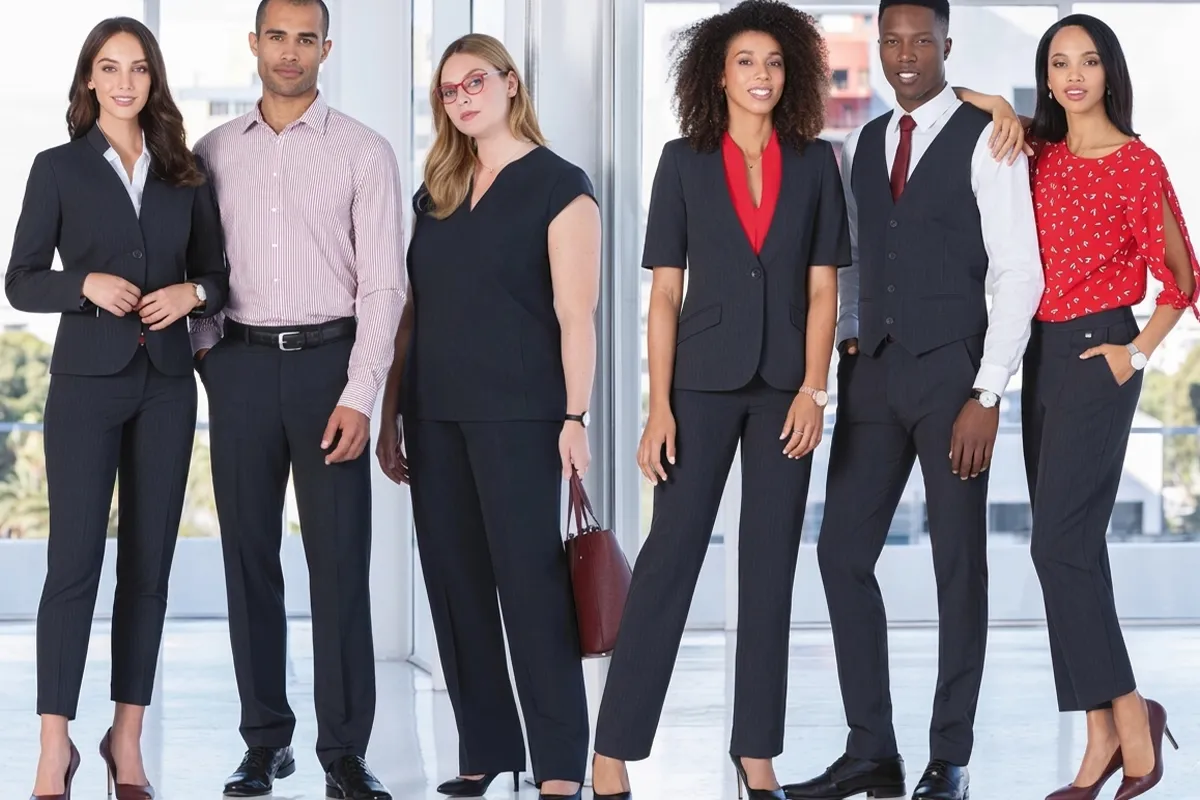
Brand identity is no longer limited to logos, websites, or advertisements. In modern business environments, it extends strongly into how employees are dressed and presented. Many companies now invest in professional appearance strategies, including Employee Clothing in Dubai, to create a unified and memorable brand image across all customer touchpoints. Even Uniforms in Dubai have evolved into sophisticated branding tools rather than just standard dress codes.
In a competitive market like Dubai, businesses understand that employee attire reflects professionalism, culture, and trust. Carefully designed workwear helps organizations stand out while reinforcing brand values consistently. This visual identity plays a major role in shaping customer perception and long-term recognition
Table of Contents
ToggleWhy Employee Appearance Matters for Brand Identity
First Impressions in Customer-Facing Industries
First impressions often determine how customers perceive a business within seconds. In customer-facing industries, well-designed attire communicates professionalism, organization, and credibility instantly. Employees dressed in coordinated outfits help establish a strong visual identity that supports brand trust and enhances customer confidence in the service experience.
Visual Consistency Across Teams
Visual consistency ensures that every department represents the brand in a unified way. When teams wear coordinated professional clothing, it eliminates confusion and strengthens recognition across all business locations. Employee Clothing in Dubai plays a crucial role in maintaining this consistency, helping brands present a polished and cohesive image across diverse operational environments.
Building Trust Through Professional Presentation
Customers naturally trust businesses that appear organized and professional. A well-dressed team signals discipline, reliability, and attention to detail. This trust is reinforced when employee appearance aligns with brand values, making the overall service experience more reassuring and credible for clients interacting with the organization.
Key Elements of Branding in Employee Clothing
Logo Placement and Visibility
Strategic logo placement ensures that brand identity is clearly visible without overwhelming the design. Logos on chest areas, sleeves, or badges help reinforce recognition while maintaining a clean and professional appearance. Proper positioning enhances visibility in both in-person interactions and media exposure, strengthening overall brand recall.
Brand Colors and Design Consistency
Colors are one of the most powerful branding tools in employee attire. Consistent use of brand palettes across all clothing items creates immediate recognition. From shirts to accessories, aligning colors with corporate identity ensures that employees visually represent the company in a unified and memorable way.
Typography and Messaging Integration
Typography elements such as slogans or brand messages can be subtly integrated into workwear. These design elements should remain minimal yet impactful to maintain professionalism. When done correctly, they reinforce brand communication while ensuring that the overall appearance remains clean, readable, and visually balanced.
Fabric and Style Reflecting Brand Personality
The choice of fabric and style communicates a lot about a company’s identity. Luxury brands may choose premium materials, while tech firms may prefer modern, functional designs. Thoughtfully selected materials ensure comfort while reinforcing the tone and personality of the brand effectively.
Industry-Wise Approach to Branded Workwear in Dubai
Hospitality and Hotels
In hospitality, appearance plays a central role in guest experience. Elegant and coordinated outfits help staff appear welcoming and professional. Hotels in Dubai often design attire that reflects luxury and cultural sophistication, ensuring guests associate visual presentation with high-quality service standards.
Retail and Customer Service
Retail environments depend heavily on brand visibility and customer interaction. Staff clothing helps customers quickly identify employees while reinforcing brand identity. Color-coded designs and consistent styling improve shopping experiences and support stronger brand recognition across store locations.
Healthcare and Medical Sector
Healthcare attire focuses on hygiene, comfort, and trust. Clean and standardized clothing helps patients feel secure and reassured. In medical environments, professional appearance also supports organizational discipline and ensures staff are easily identifiable in critical situations.
Corporate Offices and Tech Companies
In modern corporate environments, especially in Dubai’s growing tech sector, Employee Clothing in Dubai reflects innovation and professionalism. Companies often adopt smart casual or branded attire that balances creativity with structure, ensuring employees represent the brand in both internal and external interactions.
Customization Techniques Used for Brand Representation
Embroidery vs Printing Methods
Embroidery offers a premium and durable finish, while printing allows more flexibility in design. Businesses choose based on budget, usage, and desired visual impact. Both methods help translate brand identity into wearable form while maintaining quality and long-lasting visibility.
Personalization with Employee Names or Roles
Adding employee names or job titles enhances professionalism and improves communication with customers. It also creates a sense of belonging among staff. Personalized elements help bridge the gap between brand identity and individual representation within the organization.
Seasonal and Event-Based Variations
Many companies introduce seasonal designs or event-specific outfits to keep branding fresh and engaging. These variations maintain consistency while adapting to special campaigns, festivals, or promotional activities, ensuring the brand remains dynamic and relevant throughout the year.
Balancing Branding with Comfort and Functionality
Climate-Appropriate Fabric Choices
Dubai’s warm climate requires breathable and lightweight materials. Businesses prioritize fabrics that ensure comfort while maintaining a professional look. Choosing climate-appropriate materials improves employee performance and satisfaction throughout long working hours.
Practical Design for Daily Tasks
Workwear must support daily responsibilities without restricting movement. Functional designs include pockets, flexible cuts, and durable stitching. These practical features ensure employees can perform efficiently while still representing the brand effectively.
Maintaining Comfort Without Compromising Style
Balancing comfort and style is essential for modern workwear design. Companies ensure that employees feel at ease while maintaining a polished appearance. This balance enhances productivity and ensures consistent brand representation across all customer interactions.
Role of Employee Clothing in Marketing and Brand Recall
Walking Brand Ambassadors Concept
Employees act as walking brand ambassadors when their attire reflects company identity. Every interaction becomes a marketing opportunity, reinforcing recognition and trust. This approach transforms everyday workwear into a powerful branding tool.
Enhancing Customer Experience Through Visual Identity
A well-dressed team improves customer experience by creating a sense of organization and reliability. Visual identity helps customers feel more comfortable and confident while interacting with staff, strengthening emotional connections with the brand.
Supporting Offline Brand Visibility
Branded attire increases visibility in offline environments such as events, public spaces, and business meetings. It ensures that the company remains recognizable even outside traditional marketing channels, enhancing overall brand exposure.
Common Mistakes Businesses Make in Branded Clothing
Overloading Designs with Too Much Branding
Excessive use of logos, patterns, and slogans can make employee attire look crowded and less appealing. A clean, balanced design creates a more refined appearance, allowing the brand identity to stand out clearly without distracting visual clutter or reducing professionalism in customer-facing environments.
Ignoring Comfort and Fit
When businesses focus only on appearance, they often overlook how well the clothing fits and feels. Uncomfortable or poorly tailored workwear can affect employee confidence and reduce efficiency during daily tasks. A proper balance between style, fit, and usability is essential for effective performance.
Lack of Consistency Across Departments
When different departments follow separate dress styles without alignment, the overall brand image becomes fragmented. Consistent design standards across all teams help maintain a unified identity. This ensures that every employee, regardless of role, visually represents the same professional brand image.
Future Trends in Branded Employee Clothing in Dubai
Sustainable and Eco-Friendly Materials
Modern businesses are shifting toward environmentally responsible fabrics that reduce waste and support sustainability goals. Eco-friendly materials not only lower environmental impact but also reflect a forward-thinking brand image. These choices help companies align with global sustainability expectations while maintaining quality and durability.
Smart and Tech-Integrated Workwear
Advancements in textile technology are introducing clothing with embedded smart features such as sensors and performance tracking. These innovations improve safety, comfort, and efficiency in demanding work environments. Tech-enabled apparel is becoming a practical solution for forward-looking businesses in competitive industries.
Minimalist and Modern Branding Styles
Contemporary branding trends favor simplicity over complexity in employee clothing design. Clean lines, subtle logos, and refined color schemes create a sophisticated appearance. This minimalist approach strengthens brand recognition while maintaining elegance and ensuring the attire remains visually timeless.
Frequently Asked Quesions
They select colors that align with brand identity while ensuring visibility and psychological impact on customers.
No, logos are typically used strategically to maintain balance and avoid overbranding.
Hospitality, retail, healthcare, and corporate sectors benefit significantly from branded attire.
Most companies update designs every 2–3 years or during rebranding phases.
Branded clothing reflects company identity, while regular workwear focuses only on functionality.
Yes, many cost-effective customization options are available for small and medium businesses.
Conclusion
Branding through employee attire has become a strategic necessity rather than a design choice. Businesses that invest in well-planned professional clothing create stronger recognition, trust, and customer engagement. In a competitive market like Dubai, appearance directly influences perception and long-term success.
Ultimately, Employee Clothing in Dubai plays a vital role in shaping brand identity, improving customer experience, and enhancing internal culture. Companies that prioritize thoughtful design and consistency will always stand out in both visual appeal and profe

