
How Can Companies Customize Corporate Uniforms Effectively?
Make an Enquiry
Customizing corporate uniforms is not just about adding a logo—it’s about aligning appearance with brand identity, workplace culture, and employee comfort. When done thoughtfully, customization helps businesses create a professional, consistent look while ensuring uniforms remain practical and well-accepted by employees. Effective customization balances design, functionality, and long-term consistency.
Table of Contents
ToggleStart With Clear Objectives
Before beginning the customization process, companies should clearly define what they want their uniforms to achieve. Objectives may include improving brand visibility, creating a more professional appearance, supporting role-specific functionality, or strengthening team identity.
Clear goals help guide decisions on color, fabric, design elements, and level of customization without overcomplicating the process.
Align Uniform Design With Brand Identity
Effective customization always starts with brand alignment. Corporate uniforms should reflect the organization’s brand personality through consistent colors, design tone, and styling. This does not mean replicating marketing visuals exactly, but rather adapting brand elements in a subtle and professional way.
Consistency between uniforms and other brand touchpoints strengthens recognition and trust over time.
Choose Fabrics That Support Daily Use
Fabric selection plays a critical role in customization. The right fabric should match the work environment, climate, and daily activity level. Companies should consider:
- Breathability and comfort
- Durability for frequent wear
- Ease of maintenance
- Color retention after washing
Customization should never compromise comfort, as uncomfortable uniforms are unlikely to be embraced by employees.
Keep Customization Subtle and Purposeful
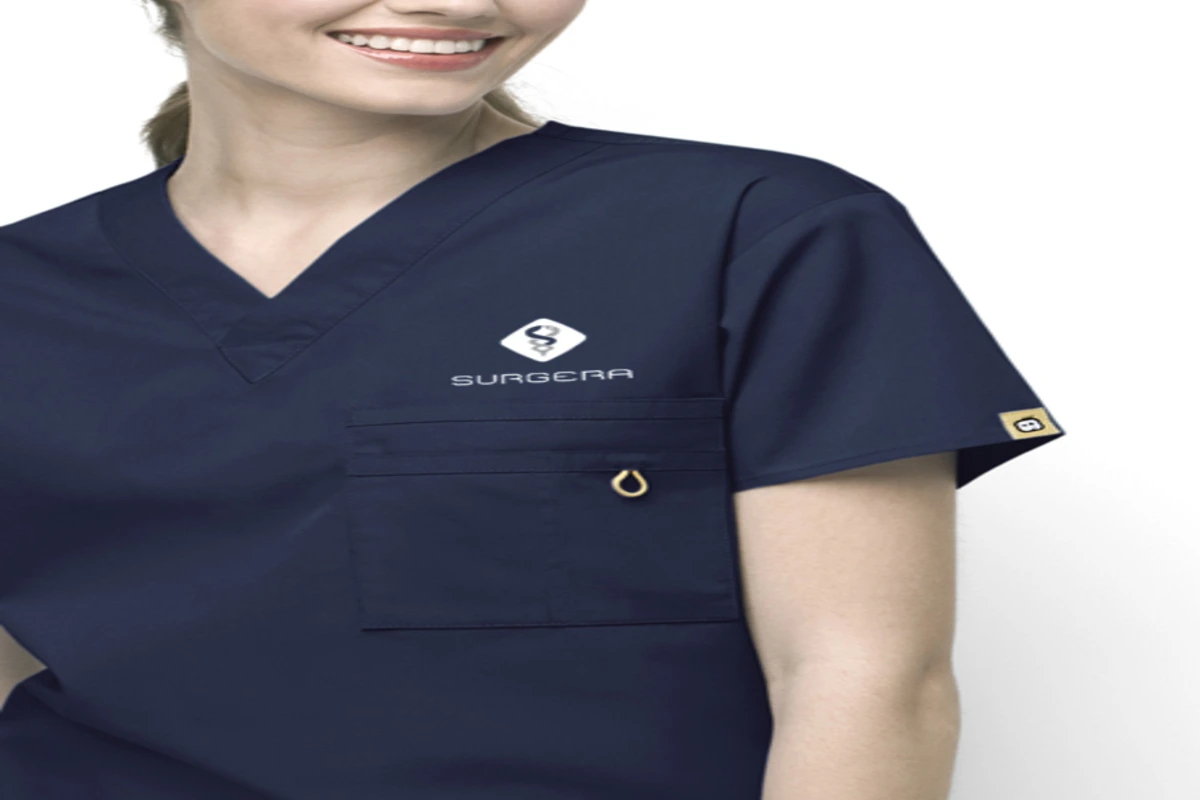
One of the best practices in uniform customization is restraint. Overly bold graphics or excessive branding can reduce versatility and make uniforms feel dated quickly. Subtle customization—such as clean logo embroidery, tonal accents, or refined trims—keeps uniforms professional and timeless.
Simple customization also makes reorders easier and more consistent.
Use Color Strategically
Color is a powerful customization tool. Neutral base colors paired with brand-aligned accents often work best in corporate settings. This approach maintains professionalism while reinforcing identity.
Thoughtful color use ensures uniforms remain adaptable across departments and suitable for long-term use.
Adapt Designs for Different Roles
While consistency is important, different roles may require different functional features. Customization can account for this by offering variations in fit, fabric weight, or garment type while maintaining a unified look.
Many organizations manage this balance through structured corporate uniform customization services, which allow role-based adjustments without disrupting overall consistency.
Prioritize Fit and Inclusive Sizing
Effective customization includes fit. Uniforms should be available in a wide size range and offer comfortable fits for different body types. Poor fit can undermine confidence and reduce acceptance, regardless of design quality.
Inclusive sizing demonstrates consideration for employees and supports a positive workplace culture.
Test With Samples Before Full Rollout
Sampling is a critical step in the customization process. Reviewing samples allows companies to assess:
- Fit and comfort
- Fabric behavior
- Color accuracy
- Branding placement
Feedback from samples helps refine the design before committing to large-scale production.
Document All Customization Details
Consistency over time depends on documentation. All customization elements—fabric type, colors, logo placement, sizing charts, and finishes—should be recorded. Proper documentation ensures future reorders match the original design.
This is especially important as teams grow or when uniforms are ordered in phases.
Balance Modern Style With Longevity
While it’s tempting to follow trends, effective customization prioritizes longevity. Designs should remain relevant for several years rather than seasons. Timeless styles reduce the need for frequent redesigns and support brand stability.
Longevity-focused customization also helps control long-term costs.
Plan for Scalability
Customization should support future growth. As new employees join, uniforms should be easy to reproduce without design changes. Scalable customization ensures that growth does not lead to visual inconsistency.
Planning ahead reduces operational friction as the organization expands.
Involve Employees Where Appropriate
Involving employees—through surveys or feedback sessions—can improve acceptance of customized uniforms. While final decisions should remain aligned with brand standards, employee input helps identify comfort or functionality concerns early.
Engagement during the process increases satisfaction and long-term adoption.
Maintain Quality Control Standards
Customization should not affect quality. Embroidery, printing, and finishing must meet the same standards as the garment itself. Consistent quality ensures uniforms look professional throughout their lifespan.
Quality control checks should be applied to both garment construction and customization elements.
Evaluate Cost Versus Value
Customization should be viewed as a long-term investment rather than a one-time expense. While certain customization options may have higher upfront costs, they often deliver better durability, consistency, and brand alignment over time.
Cost-effective customization balances budget with long-term value.
Ensure Easy Reordering
Customized uniforms should be easy to reorder without repeating the entire design process. Stored patterns, branding files, and specifications simplify future orders and ensure continuity.
Organizations that align customization with reliable professional uniform systems benefit from smoother reorders and sustained consistency.
Final Thoughts
Effective customization of corporate uniforms requires thoughtful planning, restraint, and long-term perspective. By aligning design with brand identity, prioritizing comfort and fit, and documenting specifications carefully, companies can create uniforms that support professionalism and employee confidence.
When customization is scalable and well-managed, corporate uniforms become a consistent visual asset that evolves smoothly alongside business growth.

