
How Cultural Sensitivity Shapes Uniform Design in UAE Workplaces
Make an Enquiry
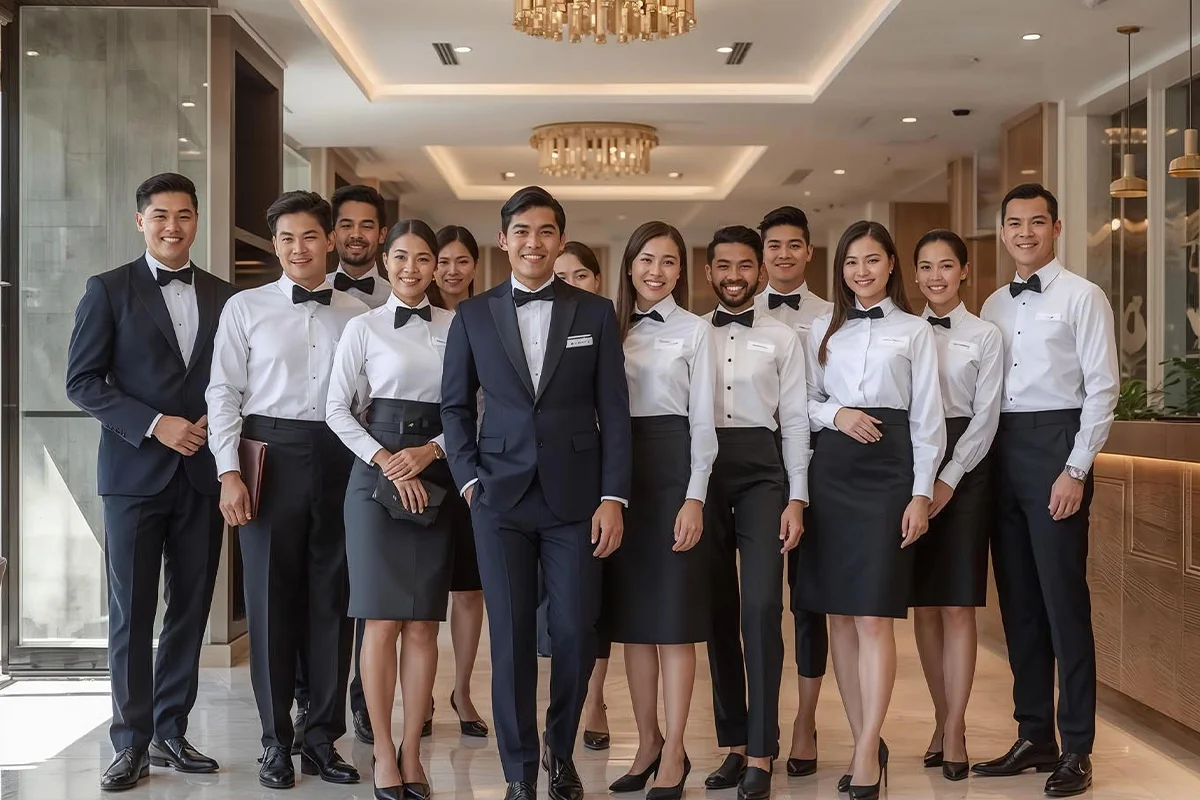
In today’s globalized workforce, Cultural Sensitivity Shapes Uniform decisions in workplaces across the UAE. Organizations are recognizing that work uniform design is not just about aesthetics or branding; it’s about respecting diverse cultural norms while ensuring employee comfort and professionalism. From corporate offices to hospitality and healthcare sectors, workwear have become an essential medium to reflect inclusivity, professionalism, and cultural awareness.
Table of Contents
ToggleUnderstanding Cultural Norms in UAE Workplaces
The UAE is home to a multicultural workforce, with employees from various nationalities, religions, and cultural backgrounds. This diversity directly impacts how companies approach workwear design. For example, modesty is a significant consideration, especially for female employees. Organizations often select workwear styles that respect traditional dress codes while maintaining a modern professional appearance.
Moreover, color choices, patterns, and fabric types are influenced by cultural preferences. Bright, flashy colors may not resonate in conservative sectors, while lightweight and breathable fabrics are favored due to the UAE’s hot climate. By aligning workwear designs with these cultural and environmental factors, companies can create a workplace that feels inclusive and considerate of all employees.
Balancing Branding with Cultural Sensitivity
While cultural awareness is crucial, companies also need workwear to reinforce their brand identity. A well-designed workwear can communicate professionalism, brand values, and company standards. However, workwear that disregard cultural expectations may lead to discomfort or even disengagement among staff.
For instance, hospitality and customer-facing roles often require workwear that are both visually appealing and respectful of local traditions. Corporate offices may adopt subtle adaptations, such as longer sleeves or higher necklines, without compromising on brand colors and logos. This approach ensures that employees feel comfortable while representing the company positively to clients and visitors.
Practical Approaches to Culturally Sensitive Uniform Design
Designing culturally sensitive workwear involves several practical considerations:
- Modesty and Fit: Offering different workwear cuts or layering options helps employees maintain modesty while performing their duties comfortably.
- Climate Adaptation: Lightweight, breathable fabrics are essential for workplaces in the UAE, ensuring staff remain comfortable in high temperatures.
- Gender Inclusivity: Providing gender-specific variations of the same workwear ensures all employees feel respected and professionally represented.
- Cultural Awareness Training: Educating management and HR teams about cultural norms helps them make informed decisions when selecting or updating workwear.
One effective example of this approach is implementing a work workwear design strategy that accommodates different cultural and religious requirements without compromising on brand identity. This not only improves employee satisfaction but also strengthens the company’s reputation as a culturally aware organization.
Impact on Employee Morale and Productivity
When employees feel respected through thoughtful workwear design, it positively affects morale and productivity. Workwear that ignore cultural sensitivities can lead to discomfort, dissatisfaction, and even high staff turnover. On the other hand, culturally considerate designs communicate that the organization values diversity and inclusivity, fostering a supportive and collaborative work environment.
Midway through this discussion, it’s important to note that incorporating cultural sensitivity into workwear policies doesn’t require drastic changes. Small but meaningful adaptations, such as offering optional layering or flexible color choices within brand guidelines, can create a significant positive impact on the workforce. For companies looking to enhance their workplace culture, this step can serve as an internal anchor for broader HR and diversity strategies.
Future Trends in UAE Work Uniform Design
Looking ahead, UAE companies are expected to place even greater emphasis on culturally sensitive workwear. The rise of employee-centric workplace policies and the recognition of multicultural workforce dynamics will drive the adoption of flexible, inclusive workwear standards.
Technology also plays a role: innovations like customizable sizing, climate-adaptive fabrics, and modular designs allow organizations to meet individual needs while maintaining a cohesive brand image. By proactively embracing these trends, businesses can stay ahead in employee satisfaction and brand representation.
Conclusion
In summary, Cultural Sensitivity Shapes Uniform choices in UAE workplaces by balancing tradition, comfort, and brand identity. Thoughtful work workwear design enhances employee morale, ensures inclusivity, and communicates professionalism to clients and stakeholders. As the UAE continues to host a diverse workforce, companies that prioritize culturally aware workwear policies will benefit from higher employee engagement and a stronger corporate image. For organizations aiming to optimize their visual identity, investing in culturally sensitive workwear solutions like FutureMind uniform can make a meaningful difference.

