
Best Factory Worker Uniform Fabrics for UAE Manufacturing Facilities
Make an Enquiry
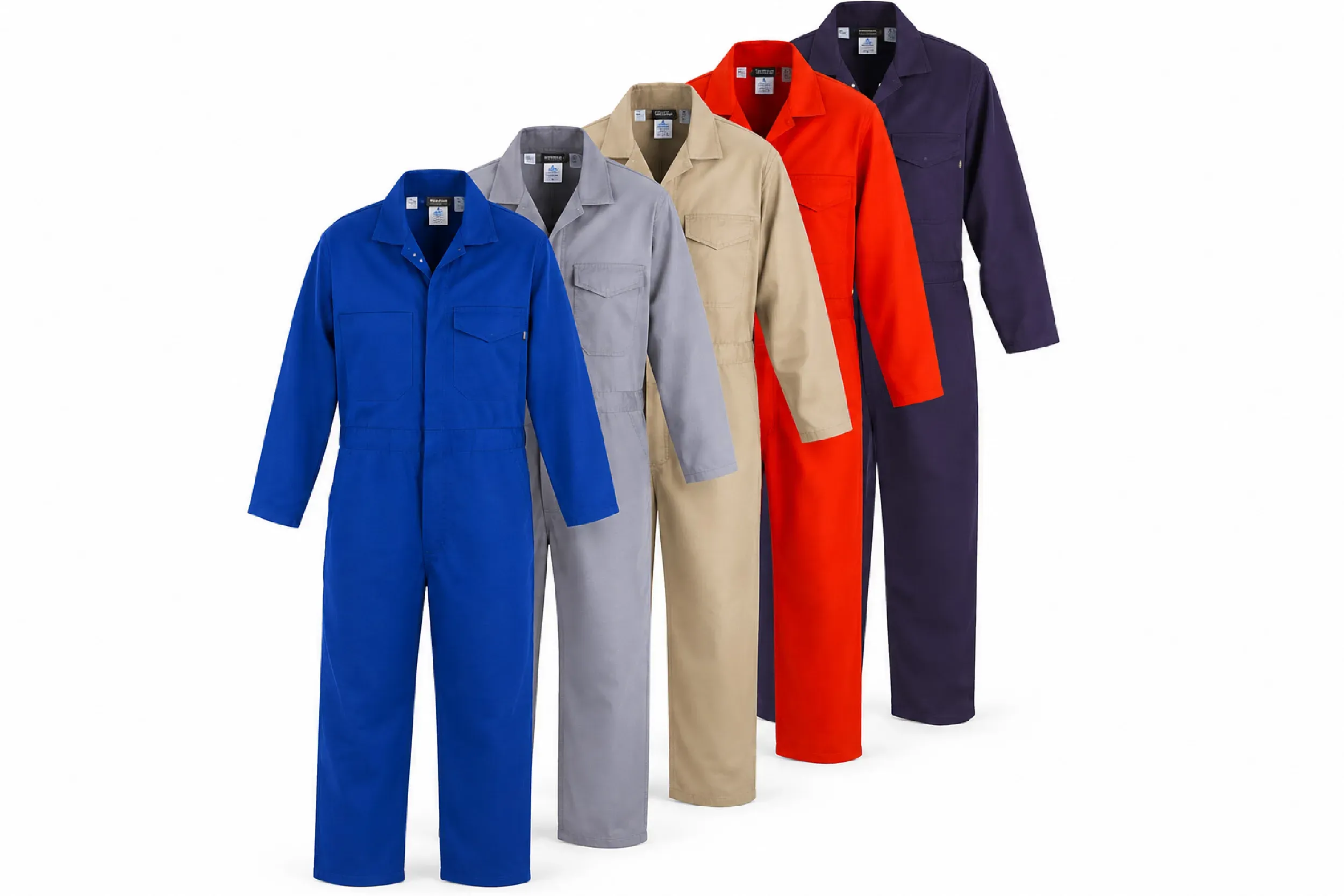
The UAE manufacturing sector operates in challenging conditions where high temperatures, demanding physical tasks, and long working hours are part of daily operations. The right selection of Factory Worker Uniform fabrics in UAE premises is critical in ensuring the comfort of employees, safety in the workplace and efficiency in operations. The fabric used in workwear can significantly impact how workers perform throughout the day.
Companies which invest in quality industrial clothes know that the choice of fabric extends beyond what meets the eye. The correct material assists in controlling the body temperature, enhances durability and aids in the safety requirements. With Custom Uniform Manufacturing businesses have the opportunity to choose fabrics that are specific to their industry and with the assistance of an experienced supplier such as Futuremind Uniforms the businesses get the best possible solutions to their workforce.
Table of Contents
ToggleWhy Fabric Selection Matters in Manufacturing Facilities
Worker Comfort During Long Shifts
Manufacturing workers usually have to work during extended shifts in the conditions where heat and physical activity cannot be avoided. Breathable fabrics allow air to circulate through and they aid in controlling body temperature. Moisture-controlling materials minimize the accumulation of sweat and keep workers comfortable all day. Comfortable work wear will minimize distraction, enhance concentration and lead to increased productivity when working under strenuous conditions.
Workplace Safety Requirements
- Provides protection against workplace hazards.
- Helps meet industry safety regulations.
- Reduces exposure to sparks, heat, and chemicals.
- Helps the staff to be confident in their day to day jobs.
- Improves compliance with occupational safety standards.
- Enhances workplace risk management efforts.
Durability and Cost Efficiency
Manufacturing environments place significant stress on employee uniforms. Robust fabrics resist repeated laundering, rubbing and everyday usage and do not deteriorate in performance. Durable materials will decrease the number of replacements and the businesses will save money in the long-term. High-quality clothes would be better to invest in and they would guarantee a better value and, at the same time, look professional throughout the workforce.
Key Factors to Consider When Choosing Factory Uniform Fabrics
Climate Suitability
The hot climate of the UAE is one of the reasons why it is important to choose a fabric. Lightweight and breathable materials enable the optimal amount of air circulation and keep the workers cool. Clothing that is worn in warm conditions will alleviate discomfort in regards to heat and enhance industrial health. Wearing climate-appropriate materials will also help wearers in achieving comfort in their workplace and efficiency.
Fabric Strength and Tear Resistance
Workers in manufacturing industries often work with tools, equipment and heavy machinery. High-performance fabrics resist tearing, abrasion, and stretching, making them suitable for demanding industrial environments. Stronger materials have a longer structure which will provide reliability in performance and save on the replacement of garments.
Ease of Maintenance
To ensure hygiene standards are adhered to, factory workwear has to be frequently cleaned. Fabrics that resist wrinkles, stains, and shrinkage make uniform maintenance easier. Lower cost of laundering of clothes and also easy-care materials keep employees in clean and presentable clothes to wear whenever they want to attend to their work schedules.
Color Retention and Appearance
In manufacturing facilities the appearance of the professionals is still important. Good quality fabrics do not fade in color and shape even after a series of washing. Regularity of appearance assists in company branding as well as keeping the workers in a neat and professional look in as long as the lifespan of their clothing.
Safety and Protective Features
The level of protection that is necessary in different industries varies. There are those fabrics that have flame resistance, anti-static, chemical resistance or reinforced structure. By choosing materials with the right safety features, organizations can develop safer work environments, and at the same time address job-related needs in a specific industry.
Cotton Fabrics for Factory Worker Uniforms
Advantages of Cotton
- Naturally breathable and comfortable.
- Gentle to the skin when worn over a long period.
- Promotes excellent airflow in warm conditions.
- Reduces irritation for sensitive skin.
- Provides a lightweight and comfortable feel.
- Suitable for indoor work environments.
Limitations of Cotton
- Wrinkles more easily than synthetic fabrics.
- May wear faster in heavy-duty environments.
- Absorbs moisture and dries slowly.
- Requires more frequent maintenance
- Less resistant to industrial wear and tear.
- May shrink if not properly maintained.
Best Applications
Cotton fabrics suit well in light manufacturing companies, assembly jobs and indoor production companies. Their breathability makes them the best to be used with employees whose physical activity is moderate and work in a controlled environment where high durability is not a key factor.
Poly-Cotton Blends: The Most Popular Choice for UAE Factories
What Makes Poly-Cotton Blends Effective
Poly-cotton mixtures are a combination of cotton and polyester which makes them comfortable and durable at the same time. This lightweight fabric is breathable, strong, resistant to wrinkles and easy to maintain. It also works remarkably well in manufacturing environments which is why it is one of the most popular industrial workwear materials in various industries.
Benefits for Manufacturing Facilities
- Good hardiness to be used daily.
- Comfortable during long working hours.
- Resists wrinkles and shrinking.
- Easy to wash and maintain
- Inexpensive when it comes to high workforces
- Holds appearance following repeated laundering.
- Applicable in various manufacturing situations.
Industries That Prefer Poly-Cotton Uniforms
Many industries rely on poly-cotton garments due to their versatility. This material is used in the automotive manufacturing, packaging plants, food processing plants, logistics plants and general production units. In assessing Factory Worker Uniform Fabrics in UAE, poly-cotton will still be a good choice as it will provide comfort and durability.
Polyester Fabrics for Heavy-Duty Industrial Workwear
Key Benefits
- Very strong to be used in strenuous workplaces.
- Excellent shape retention after washing.
- Quick-drying performance.
- Resistant to shrinking and stretching
- Maintains a professional appearance.
- Suitable for intensive industrial operations.
- Long-lasting and cost-efficient.
Suitable Manufacturing Environments
The Polyester uniforms are widely used in warehouses, manufacturing plants, distribution centers, and logistics facilities. Such areas demand tough materials that can withstand the wear and tear. Polyester is very durable and requires no maintenance and therefore it is suitable in heavy-duty industries.
Moisture-Wicking Fabrics for UAE’s Hot Climate
How Moisture-Wicking Technology Works
Moisture-wicking fabrics pull sweat away from the skin and allow it to evaporate quickly. The process aids in controlling the body temperature and ensuring that workers are not wet. This helps employees stay comfortable and focused even when working in hot and humid conditions.
Benefits for Worker Productivity
- Reduces discomfort caused by perspiration.
- Helps regulate body temperature.
- Minimizes heat-related fatigue
- Enhances concentration and focus
- Improves employee comfort levels.
- Supports higher productivity throughout shifts
- Promotes overall worker wellbeing.
Recommended Use Cases
Moisture-wicking textiles are very useful in outdoor production plants, warehouses, logistic activities, manufacturing plants in construction activities and workplaces that do not have much control over their climates. They are more comfortable to employees whose work might be in high temperatures during the working day.
Comparing Popular Factory Uniform Fabrics
Fabric Type | Comfort | Durability | Maintenance | Best Use |
Cotton | High | Medium | Medium | Light manufacturing |
Poly-Cotton | High | High | High | General factory use |
Polyester | Medium | Very High | High | Heavy-duty operations |
Ripstop | Medium | Very High | High | Rugged environments |
Flame-Resistant | Medium | High | Medium | High-risk industries |
How the Right Uniform Fabric Improves Workforce Performance
Reduced Heat Stress
Proper choice of fabrics will ensure that the employees are comfortable when working long shifts. Porous and breathable fabrics help to eliminate the heat and promote reduced fatigue. Reduced heat stress levels are known to lead to increased concentration, reduced errors and safety at the workplace in manufacturing settings.
Better Mobility
Lightweight and flexible materials enable the workers to move freely when undertaking physical work. Enhanced movement facilitates productivity, minimizes pain and allows employees to do their duties without limitations due to ill-fitting or unsuited work clothes.
Improved Employee Satisfaction
Comfortable and professional uniforms can have a positive impact on employee morale. Employees who are relaxed during the working hours will be more productive and enthusiastic. Making an investment in quality apparel shows the concern of a company with the welfare of the workforce and professionalism.
Professional Workplace Appearance
Regularly cleaned and neatly dressed up will assist in building a professional work environment. Good quality fabrics will not fade away even after being used and washed frequently. A professional presentation helps in branding the company and it adds confidence to the employees, clients and visitors.
Choosing a Reliable Factory Uniform Supplier in the UAE
Fabric Quality Standards
Trustworthy suppliers are keen on fabrics that can address the performance, durability, and safety standards. Good quality materials guarantee uniform comfort and protection and can assist organizations to make the most of the investments made in employee apparel.
Custom Manufacturing Capabilities
Each manufacturing plant has its own needs. When the suppliers permit customization, they can come up with tailored garments to fit the particular operational requirements, such as choice of fabrics, branding, size and specialized protective design that will increase functionality in the workplace.
Industry-Specific Recommendations
Strategic suppliers have first hand experience on the issues that various industries encounter. Their expertise assists companies in choosing materials that are in tandem with the workplace environments, safety rules and regulations and operational needs so that the work wear of the employees can perform optimally.
Consistent Supply and Support
Reliable suppliers are those that have a steady production capacity and stock. Trustworthy service means that companies are able to promptly substitute damaged clothing, enable the capacity to accommodate the growth of the workforce and continuity of their employee clothing schemes.
FAQs
Poly-cotton is often the preferred choice because it offers a balance of comfort, durability, affordability, and easy maintenance.
Yes, poly-cotton fabrics are very appropriate because of their combination of strength, comfort and cost factor.
Ripstop and polyester are more likely to be the most durable in the harsh industrial environment.
Yes, moisture-wicking clothing assists employees to remain cool, dry and productive in hot working environments.
Flame-resistant clothing is frequently needed in oil and gas, chemical processing, electrical, welding and heavy manufacturing businesses.
The majority of industrial workwear should be reviewed after 12–24 months based on usage and the work environment.
Conclusion
Selecting the right fabric for manufacturing workwear requires careful consideration of comfort, durability, maintenance and safety requirements. Poly-cotton mixes, cotton, poly-ester, moisture-wicking and specialized protective fabrics all have their unique benefits that are based on the type of activity and conditions of the workplace.
The best Factory Worker Uniform Fabrics in UAE are those chosen according to the specific demands of the manufacturing environment. Companies that strike a balance between comfort, durability, and protection, can enhance the performance of their workforce at a low cost in the long-term. Collaboration with seasoned suppliers is important in providing tailored solutions to help in employee wellbeing safety in the workplace and workplace efficiency.

