
Uniform Standards for Marine & Port Operations in UAE
Make an Enquiry
The maritime industry in the UAE operates under strict safety and efficiency protocols, making marine port uniform standards UAE a critical aspect of daily operations. From cargo handlers to port supervisors, proper attire ensures safety, professionalism, and compliance with regulations. Businesses across the region are increasingly prioritizing marine uniforms UAE to meet operational demands while maintaining a consistent workforce appearance.
In high-risk environments such as ports and marine terminals, clothing is not just about identity—it plays a vital role in protection, durability, and functionality. This guide explores the essential standards, features, and considerations for marine and port workwear in the UAE.
Table of Contents
ToggleWhy Uniform Standards Matter in Marine & Port Operations
Marine and port environments are among the most demanding workplaces. Workers are constantly exposed to extreme weather, heavy machinery, and hazardous materials. This makes standardized attire essential for:
- Enhancing worker safety
- Ensuring visibility in busy areas
- Maintaining operational discipline
- Supporting regulatory compliance
Without proper clothing standards, the risk of accidents increases significantly. High-quality workwear helps reduce workplace hazards while improving employee confidence and performance.
Key Safety Requirements for Marine Workwear
Safety is the primary factor when designing attire for marine and port workers. The following elements are essential:
1. High Visibility Features
Workers must remain visible in low-light or foggy conditions. Reflective strips and bright colors such as orange or yellow are commonly used to ensure visibility across large port areas.
2. Flame-Resistant Materials
Certain port operations involve flammable cargo or fuel handling. Flame-resistant fabrics provide an added layer of protection against fire hazards.
3. Waterproof and Weather-Resistant Fabrics
Marine workers often face harsh weather conditions, including heavy rain, sea spray, and strong winds. Waterproof materials help maintain comfort and prevent health risks associated with prolonged exposure to moisture.
4. Anti-Static Properties
In environments where static electricity could trigger dangerous reactions, anti-static clothing is essential to minimize risks.
Durability and Fabric Selection
Port operations involve heavy-duty tasks such as loading, unloading, and equipment handling. This requires garments made from durable fabrics that can withstand:
- Frequent washing
- Abrasion from machinery
- Exposure to chemicals and saltwater
Materials like polyester-cotton blends are widely used due to their balance of strength, comfort, and longevity. Reinforced stitching and tear-resistant designs further enhance durability.
Comfort and Functionality in Daily Operations
While safety is crucial, comfort also plays a key role in employee productivity. Workers often spend long hours performing physically demanding tasks, so clothing must allow ease of movement and breathability.
Important Comfort Features:
- Lightweight and breathable fabric
- Flexible design for unrestricted movement
- Ventilation panels for heat management
- Adjustable fittings for different body types
Functional additions such as multiple pockets, tool loops, and secure fastenings also improve efficiency during daily tasks.
Compliance with UAE Regulations
The UAE has strict labor and safety regulations that govern workplace attire in industrial sectors. Employers must ensure that all staff clothing complies with these guidelines to avoid penalties and maintain operational standards.
Key compliance aspects include:
- Adherence to occupational safety requirements
- Use of certified protective materials
- Standardized color coding for roles and responsibilities
Organizations that align with these regulations not only improve safety but also build trust with authorities and stakeholders.
Role-Based Standardization in Ports
Different roles within marine and port operations require specific clothing standards. For example:
- Dock workers: High-visibility and heavy-duty garments
- Supervisors: Distinctive colors or markings for easy identification
- Maintenance teams: Protective clothing resistant to grease and chemicals
- Security personnel: Clearly identifiable attire for quick recognition
This structured approach ensures smooth coordination and reduces confusion in fast-paced environments.
Importance of Branding and Professional Appearance
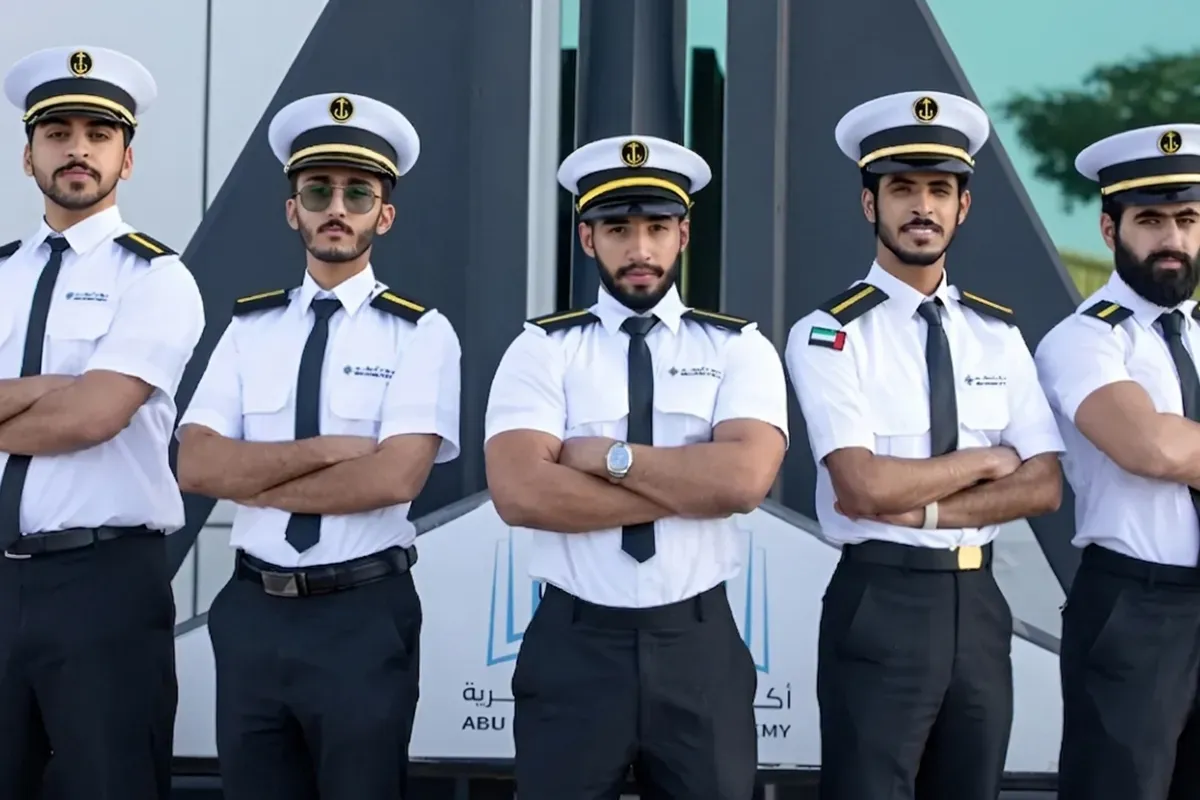
In addition to safety and functionality, professional appearance plays a significant role in marine operations. Ports are often visited by international clients, inspectors, and stakeholders. A well-dressed workforce reflects discipline, reliability, and organizational standards.
Businesses that invest in high-quality professional uniforms for businesses can strengthen their brand image while maintaining consistency across teams. A standardized look also fosters a sense of unity and belonging among employees.
Sustainability and Modern Innovations
Sustainability is becoming an important consideration in industrial workwear. Many companies in the UAE are now opting for eco-friendly materials and production processes.
Modern Trends Include:
- Recycled fabric materials
- Energy-efficient manufacturing
- Long-lasting designs to reduce waste
- Moisture-wicking and temperature-regulating fabrics
These innovations not only support environmental goals but also enhance worker comfort and performance.
Maintenance and Care Guidelines
Proper maintenance is essential to ensure longevity and effectiveness. Regular cleaning and inspection help maintain safety standards and extend the lifespan of garments.
Best Practices:
- Wash according to fabric specifications
- Inspect for wear and tear regularly
- Replace damaged items immediately
- Store in clean, dry environments
Employers should also provide clear guidelines to workers on how to care for their clothing to ensure consistent quality.
Choosing the Right Supplier
Selecting a reliable supplier is crucial for meeting operational needs. Businesses should look for providers that offer:
- Industry-specific expertise
- High-quality materials
- Customization options
- Compliance with UAE standards
Partnering with experienced suppliers ensures that all requirements—safety, durability, and comfort—are effectively met.
Conclusion
Maintaining proper marine port uniform standards UAE is essential for ensuring safety, efficiency, and professionalism in port operations. From high-visibility features to durable fabrics and regulatory compliance, every element plays a crucial role in supporting a productive work environment.
Organizations that prioritize high-quality durable staff uniforms not only enhance worker safety but also improve overall operational performance. By investing in the right standards and materials, businesses can create a safer, more efficient, and professional marine workforce in the UAE.

