
Uniform Essentials for Food Production & Manufacturing Units
Make an Enquiry
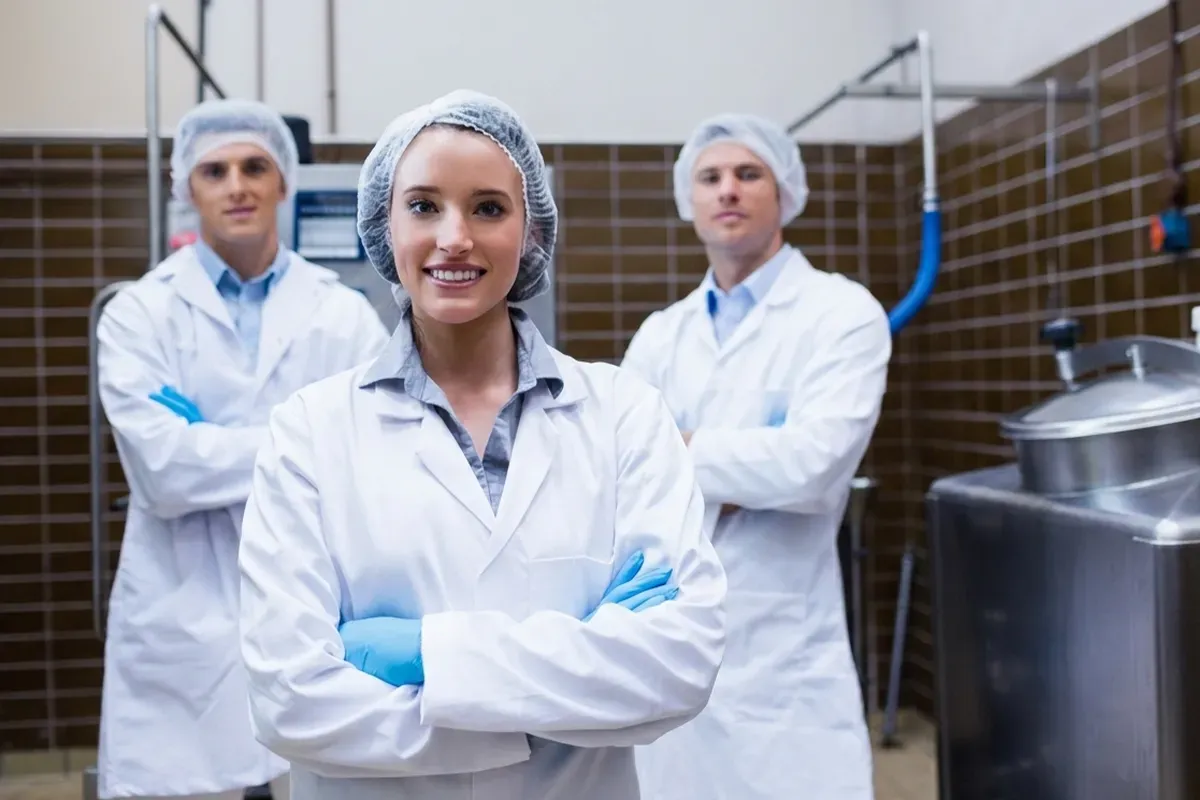
In food manufacturing environments, hygiene and safety are not optional—they are mandatory. Food Production Uniform Essentials play a critical role in maintaining product quality, protecting employees, and meeting regulatory standards. From processing plants to packaging facilities, selecting the right food production uniforms ensures cleanliness, operational efficiency, and compliance with industry regulations.
Food production businesses operate in highly controlled environments where contamination risks must be minimized at every stage. Workwear is more than just company attire; it is a protective barrier between workers and consumable products. Investing in the right apparel supports safety protocols while reinforcing professionalism across the facility.
Table of Contents
ToggleWhy Proper Workwear Matters in Food Manufacturing
Food production and manufacturing units deal with raw materials, processing equipment, and finished edible products daily. Any lapse in hygiene can lead to contamination, product recalls, and damage to brand reputation.
High-quality garments help:
- Prevent cross-contamination
- Maintain strict hygiene standards
- Protect employees from spills and hazards
- Ensure compliance with food safety audits
- Improve workforce discipline and accountability
When management implements strict dress codes and standardized attire, it builds a culture of responsibility and awareness among staff members.
Key Features of Food-Safe Workwear
Selecting appropriate clothing for food environments requires attention to detail. The materials, design, and functionality must align with industry guidelines.
1. Hygienic Fabric Materials
Fabrics should be lightweight, breathable, and easy to sanitize. Materials commonly used include:
- Cotton-polyester blends
- Anti-microbial treated fabrics
- Lint-free textiles
These materials reduce contamination risks and withstand frequent industrial washing cycles without losing integrity.
2. Protective Coats and Aprons
Workers involved in processing and packaging must wear protective coats or aprons. These garments shield products from external contaminants and protect workers from spills, stains, and heat exposure.
Long-sleeved coats with secure fastenings are particularly effective in preventing accidental exposure of personal clothing to food items.
3. Hair Restraints and Head Covers
Hairnets, caps, and beard covers are essential in any production zone. Even a single strand of hair can compromise product safety. Head protection should fit securely without discomfort to ensure continuous usage during long shifts.
4. Slip-Resistant Footwear
Manufacturing floors can become wet or greasy. Slip-resistant shoes reduce workplace accidents and improve worker stability. Proper footwear is just as critical as protective clothing in maintaining a safe facility.
Compliance with Food Safety Standards
Food production units must adhere to strict national and international safety regulations. Whether operating under HACCP principles or ISO certifications, apparel guidelines form an essential part of audit requirements.
Clothing standards often include:
- Light-colored garments to easily detect contamination
- No external pockets above the waist
- Minimal buttons or loose accessories
- Secure closures instead of open fastenings
Following these guidelines ensures the facility passes inspections and maintains credibility with suppliers and distributors.
Department-Specific Clothing Requirements
Not every worker in a facility performs the same task. Different roles require specific protective features.
Processing Department
Employees handling raw ingredients need full-coverage coats, gloves, and protective sleeves. Waterproof aprons are recommended for wet processing zones.
Quality Control Teams
Inspectors require clean lab-style coats and hair protection. Their attire must remain sterile to avoid cross-contamination during sampling procedures.
Packaging and Dispatch
Staff working in packaging areas may require lighter protective clothing but must still adhere to hygiene protocols. High-visibility elements may also be added in large manufacturing environments for safety.
Comfort and Productivity
While safety remains the primary concern, comfort significantly affects productivity. Workers in food facilities often work long hours in temperature-controlled settings. Poor-quality clothing can cause irritation, overheating, or restricted movement.
Modern food production uniforms are designed with ergonomic cuts and breathable fabrics to enhance mobility and reduce fatigue. When employees feel comfortable, they perform tasks more efficiently and maintain focus on quality control.
Maintenance and Laundering Protocols
Proper maintenance of workwear is just as important as selecting the right garments. Manufacturing units should implement strict washing and storage procedures.
Best practices include:
- Daily laundering for high-risk departments
- Separate washing cycles for different production zones
- Industrial-grade detergents and sanitization processes
- Secure storage in clean lockers
Outsourcing professional laundering services can further ensure consistent hygiene standards.
Branding and Professional Appearance
Although safety is the priority, consistent attire also strengthens corporate identity. A well-dressed workforce creates a positive impression during audits, factory visits, and client inspections.
Subtle branding elements such as embroidered logos or color-coded departments can be incorporated without compromising safety. However, design should never override hygiene requirements.
Sustainability in Food Manufacturing Apparel
Many manufacturing businesses are shifting toward eco-friendly textile solutions. Sustainable fabrics, reusable garments, and long-lasting materials help reduce environmental impact while maintaining compliance.
Choosing durable clothing reduces replacement frequency, making it a cost-effective and environmentally responsible investment.
Training and Implementation
Even the best apparel will fail if employees are not trained properly. Management must conduct regular awareness sessions on:
- Correct wearing procedures
- Changing protocols between departments
- Personal hygiene standards
- Reporting damaged garments
A structured dress code policy ensures accountability and consistent implementation across all teams.
Final Thoughts
Implementing the right Food Production Uniform Essentials is fundamental to maintaining hygiene, meeting compliance requirements, and protecting both employees and consumers. From protective coats and hair restraints to slip-resistant footwear, every element plays a role in building a safe and efficient manufacturing environment.
Food production facilities that prioritize structured dress policies and high-quality protective clothing reduce contamination risks and improve operational standards. By selecting the right food production uniforms and maintaining strict hygiene protocols, businesses can safeguard product integrity while supporting workforce performance.
Investing in proper apparel is not just about meeting regulations—it is about creating a culture of responsibility, safety, and excellence within the manufacturing unit.

