
What Is Ergonomic Work Uniform Design?
Make an Enquiry
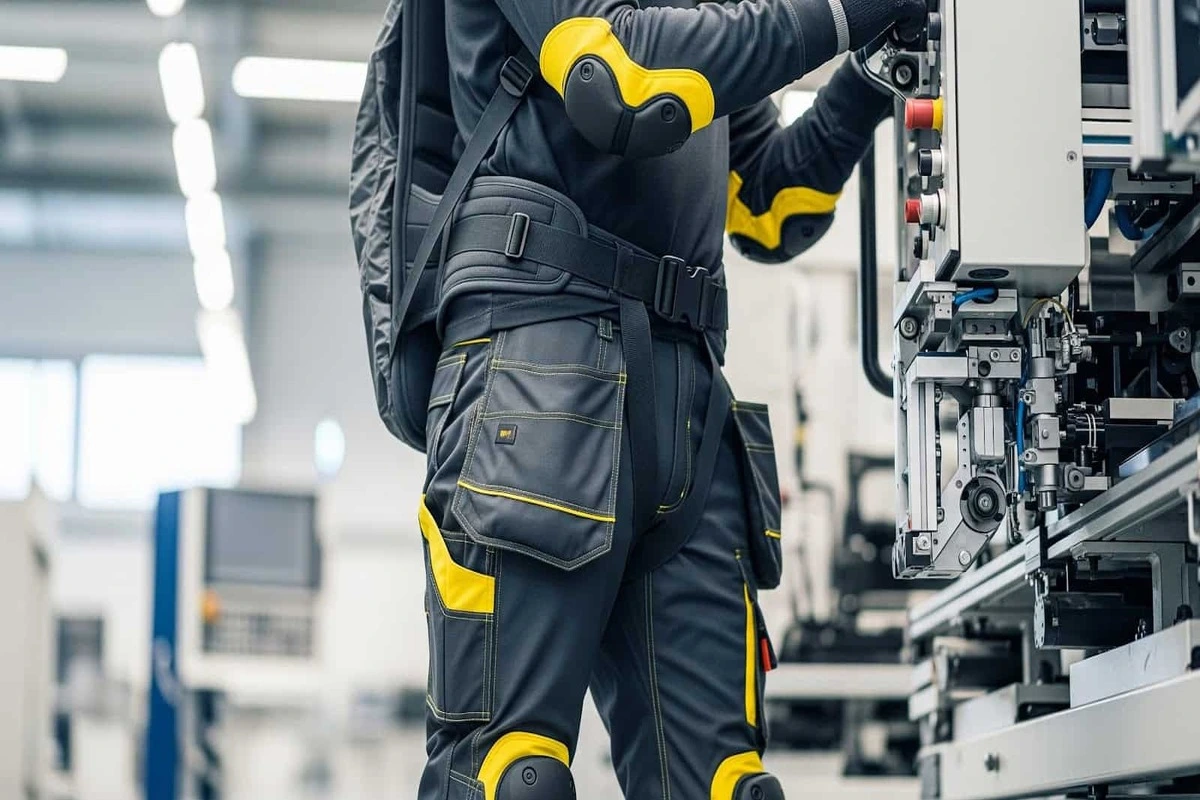
Ergonomic work uniform design focuses on how employee clothing supports natural body movement, comfort, and physical well-being during daily tasks. Instead of prioritizing appearance alone, this design approach considers posture, flexibility, and long-term wear comfort to reduce strain and fatigue.
Many businesses now adopt comfort-focused staff clothing to help employees perform their roles more efficiently and comfortably.
Table of Contents
ToggleWhy Ergonomics Matter in Workplace Clothing
Employees often spend long hours standing, walking, bending, or repeating the same movements. Poorly designed clothing can restrict motion, cause discomfort, and contribute to muscle strain over time.
Ergonomic design reduces pressure points, improves ease of movement, and supports better posture throughout the workday, making daily tasks less physically demanding.
Key Elements of Ergonomic Workwear Design
One of the main features of ergonomic clothing is flexibility. Stretchable fabrics and strategically placed seams allow the body to move naturally without resistance. Lightweight materials reduce unnecessary pressure during extended wear.
Fit is equally important. Clothing that is too tight or too loose can interfere with movement, while ergonomic designs focus on balanced fits that support mobility and comfort.
How Ergonomic Design Improves Employee Performance
When employees feel physically comfortable, they can concentrate better on their tasks. Reduced discomfort leads to fewer distractions and lower fatigue levels, especially during long or physically active shifts.
Organizations that prioritize movement-friendly work attire often see improved productivity, reduced physical complaints, and higher employee satisfaction.
Role-Specific Ergonomic Considerations
Different roles require different movement patterns. Active roles benefit from added flexibility and durability, while desk-based roles require lightweight and breathable designs. Ergonomic clothing adapts to these needs instead of forcing one standard fit for all.
This role-based approach ensures comfort without losing visual consistency.
Ergonomics and Workplace Safety
Comfort and safety go hand in hand. Clothing that allows free movement reduces the risk of restricted motion, repetitive strain, or accidents. Ergonomic design supports safer body movement in fast-paced or physically demanding environments.
Businesses that implement movement-friendly work attire often experience fewer discomfort-related and strain-related issues among staff.
Final Thoughts
Ergonomic work uniform design is about supporting the human body throughout the workday. By focusing on comfort, flexibility, and fit, businesses can improve employee well-being while maintaining a professional appearance.
For organizations aiming to enhance comfort and performance, adopting movement-friendly work uniform is a practical step toward healthier and more productive teams.

